Free Food
Free Education
Free Health care
Free Cremation
Free Food
Free Education
Free Health care
Free Cremation
"Gur Brahma Gurur Vishnu, Gurur Devo Maheshwarah,
Gur Sakshat Parabrahma, Tasmai Shri Gurave Namah."
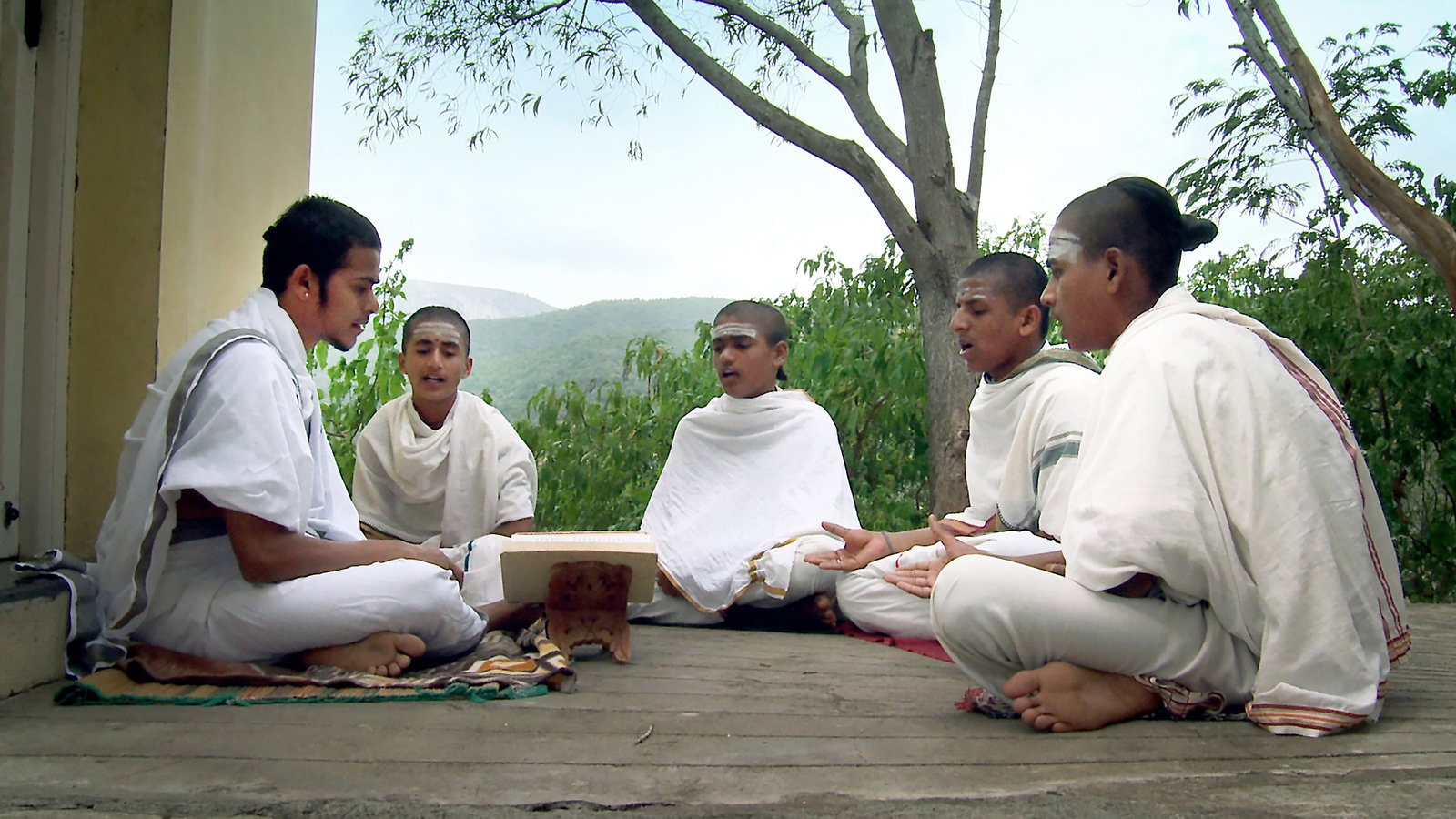
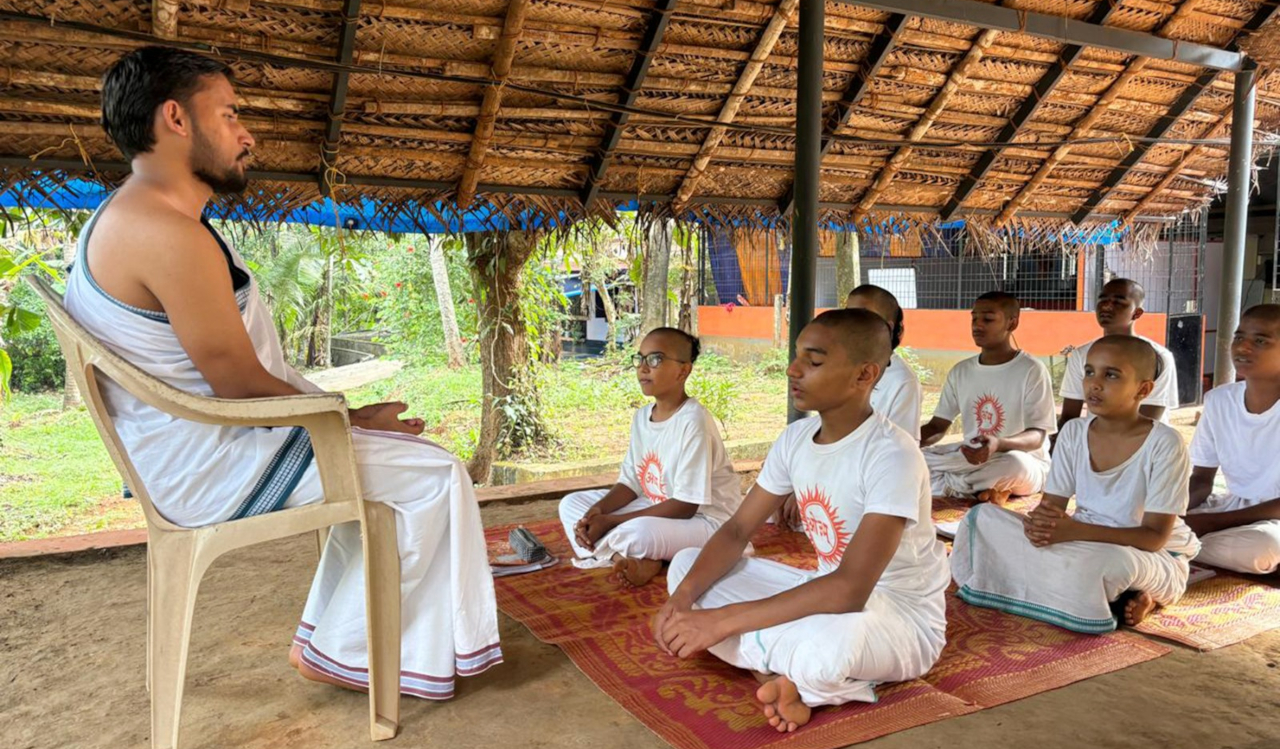
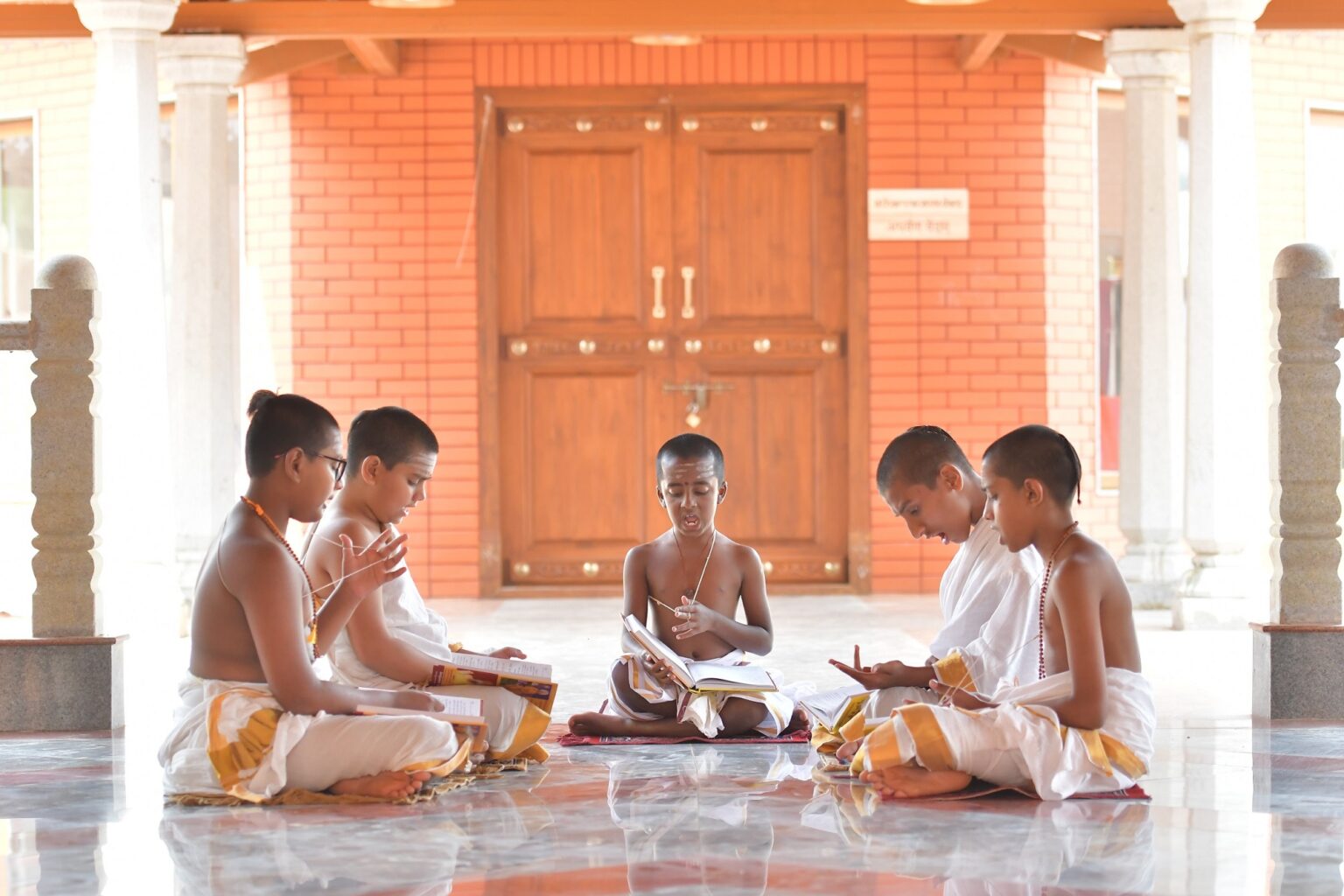
The Gurukul tradition is an essential part of India's ancient education system, characterized by the exchange of knowledge and values between the teacher (Guru) and the students (Shishyas). Here are some Vedic verses illustrating the Guru-Shishya relationship and education's significance:
To promote spiritual knowledge, Gurukuls and Sadhana centers inspire self-improvement.
Gurukul refers to educational institutions where students lived in the Guru's household, receiving holistic education. Renowned Gurus trained notable figures like Lord Ram (from Rishi Vashistha) and the Pandavas (from Rishi Drona). Historic Gurukuls evolved into universities like Takshashila, Nalanda, and Vikramshila. Many students from distant lands came here to learn.
Gurukul education emphasized moral values, ethics, and community spirit. It shaped Indian society and culture and inspires modern education with its focus on personal guidance, experiential learning, and the Guru-disciple relationship.